
Call us, we are at your service
Call us, we are at your service
How much does the Everest Base Camp Trek cost in 2026/2027? The Everest Base Camp Trek is one of Nepal’s most popular Himalayan adventures, with prices typically ranging from $1,360 to $1,800 USD per person for a standard 12-day itinerary from Kathmandu. The total EBC trek cost depends on trekking season, group size, accommodation type, flights, permits, guides, and included services.
Most all-inclusive Everest Base Camp trek packages cover all major logistics required for trekking in the Khumbu region. These usually include round-trip domestic flights between Kathmandu (or Manthali) and Lukla, essential trekking permits such as the Sagarmatha National Park Entry Permit and the Khumbu Pasang Lhamu Rural Municipality Permit, as well as experienced licensed trekking guides and porters.
In addition, the package generally includes full-board meals during the trek (breakfast, lunch, and dinner) along with comfortable teahouse accommodation throughout the Everest Base Camp route. Choosing a guided Everest Base Camp trek ensures better safety, local expertise, and a smoother trekking experience in the high-altitude Himalayas.
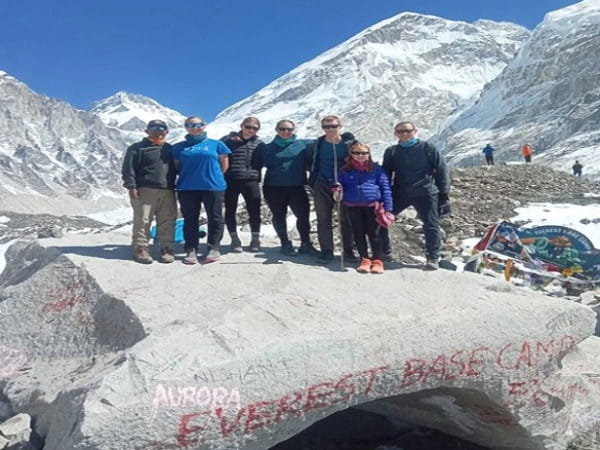
The Everest Base Camp Trek difficulty is generally classified as moderate to strenuous, depending on fitness level, experience, and acclimatization. Although the trek does not require technical climbing skills or mountaineering equipment, it involves long days of walking on rugged Himalayan terrain, with daily hiking times of approximately 5 to 8 hours across steep ascents, stone steps, and high-altitude trails.
The main challenge of the Everest Base Camp Trek is not technical difficulty, but high altitude. As trekkers ascend above 3,500 meters, the risk of Acute Mountain Sickness (AMS) increases due to reduced oxygen levels. Proper acclimatization days in locations such as Namche Bazaar and Dingboche are essential to allow the body to adjust safely to the altitude.
In terms of physical requirement, the trek is suitable for individuals with good cardiovascular fitness and regular walking or hiking experience. Prior training such as stair climbing, endurance hiking, or aerobic exercise can significantly improve comfort and performance during the trek. While beginners can complete the journey with preparation, it is recommended to train for at least 6–8 weeks before arrival in Nepal.
Weather conditions and terrain also add to the challenge. Trekkers should be prepared for cold temperatures, thin air, and variable mountain weather, especially at higher elevations near Gorak Shep and Everest Base Camp. Despite these challenges, the trek remains achievable for determined trekkers with proper pacing, hydration, and guidance.
Overall, the Everest Base Camp Trek is considered a physically demanding but non-technical Himalayan adventure, making it one of the most popular high-altitude treks in the world for fit and well-prepared travelers.
The Everest Base Camp Trek package is a complete trekking arrangement designed to provide a safe, organized, and hassle-free Himalayan adventure. Most standard packages include essential services such as round-trip domestic flights between Kathmandu (or Manthali) and Lukla, required trekking permits, and assistance with all logistical arrangements throughout the journey.
Accommodation during the trek is provided in traditional teahouses along the Everest Base Camp route, offering basic but comfortable lodging in villages such as Phakding, Namche Bazaar, Tengboche, Dingboche, and Gorak Shep. The package also includes three daily meals (breakfast, lunch, and dinner) prepared in local lodges, ensuring trekkers receive proper nutrition at high altitude.
A professional licensed trekking guide leads the journey, ensuring safety, navigation support, and cultural insight into the Khumbu region. In addition, porters are included to carry trekking luggage, allowing trekkers to walk comfortably with a lighter daypack.
All necessary trekking permits, including the Sagarmatha National Park Entry Permit and Khumbu Pasang Lhamu Rural Municipality Permit, are also covered in most Everest Base Camp trekking packages.
Depending on the operator, Everest Base Camp packages may vary from budget to luxury options, with differences in accommodation quality, flight upgrades, group size, and added services such as hot showers, WiFi, and helicopter return options. Choosing a guided package ensures better safety, smoother logistics, and a more enjoyable trekking experience in the Himalayas.
The classic Everest Base Camp trek route starts from Lukla after a scenic flight from Kathmandu. The trail passes through Namche Bazaar, Tengboche, Dingboche, Lobuche, and finally reaches Everest Base Camp and the iconic Kala Patthar viewpoint before retracing the steps back to Lukla.
The best time for the Everest Base Camp trek is Spring (March–May) and Autumn (September–November). These months offer clear skies, moderate temperatures, and stunning panoramic mountain views, providing the safest and most beautiful trekking conditions.
The Everest Base Camp trek involves significant elevation gain. Starting at 2,860m in Lukla, you will reach the official Everest Base Camp at 5,364m (17,598 ft). The highest point of the trek is usually the summit of Kala Patthar at 5,545m (18,192 ft).
For those looking for more adventure, the EBC trek can be extended to include the Gokyo Lakes via the Cho La Pass or a climb of Island Peak. You can also opt for a helicopter return from Gorak Shep to Kathmandu for a unique perspective of the Himalayas.
The total round-trip distance for the Everest Base Camp trek from Lukla is approximately 130 kilometers (80 miles). On average, trekkers cover about 10–15km per day over a period of 12 days on the trail.
The cost of the Everest Base Camp trek varies depending on the services included. A standard 12-day package typically ranges from $1,360 to $1,800 USD, covering flights, permits, accommodation, meals, and professional staff.
Our Everest Base Camp Trek itinerary is designed for a safe and steady ascent, allowing for maximum enjoyment of the Khumbu region's iconic landscapes. It includes essential acclimatization days in Namche Bazaar and Dingboche to ensure your body is fully prepared for the final push to the base camp and the spectacular viewpoint of Kala Patthar. This itinerary offers a profound immersion into the legendary Sherpa culture and the breathtaking surroundings of Sagarmatha National Park.
The 12-day Everest Base Camp Trek itinerary is the most popular choice for trekkers worldwide. It provides a balanced pace, allowing 12 days for trekking and 2 days for travel and preparation in Kathmandu, making it ideal for both beginners and experienced hikers.
The trail moves through the heart of the Sagarmatha National Park. Having a detailed map is essential for understanding the geography, identifying major peaks like Thamserku and Ama Dablam, and tracking your daily progress through the Khumbu valley.
Booking your Everest Base Camp Trek directly from Above & Beyond Trekking offers the best value. Prices include the domestic flights to Lukla, which are a major part of the cost, along with all local logistics managed by our expert team in the city.
Key highlights of the Everest Base Camp Trek include the thrilling flight to Lukla, the vibrant Sherpa culture in Namche Bazaar, the spiritual atmosphere of Tengboche Monastery, standing on the Khumbu Glacier, and the breathtaking sunset over Mt. Everest from Kala Patthar.
A professional, government-licensed guide is mandatory for safety and a better cultural experience. Our guides are experts in high-altitude safety and local history, ensuring you are well cared for throughout your Everest Base Camp Trek.
The Everest Base Camp Trek starting point is Lukla. Most trekkers reach Lukla via a 35-minute flight from Kathmandu or Ramechhap. From Lukla, the first day of walking typically leads to the village of Phakding.
Acclimatization is the secret to a successful trek. We follow the "climb high, sleep low" rule on the trek, taking side hikes during rest days to help your body adapt to lower oxygen levels and prevent Altitude Sickness (AMS).
The standard duration is 12 to 14 days. However, this can vary based on your fitness level and whether you choose to fly back by helicopter from the base camp, which can shorten the trip to 9 or 10 days.
Packing correctly for the Everest Base Camp Trek is essential, as temperatures shift from the lush, temperate valleys of Lukla and Phakding to the freezing glacial environment of Gorak Shep and Everest Base Camp. The key to staying comfortable is a layering system that allows you to adjust as you move. Your gear should prioritize moisture-wicking fabrics, a high-quality down jacket for high-altitude nights, and sturdy trekking boots to handle the rocky Khumbu trails and steep glacial moraines.
